
What I Wish I Had Known Earlier About Hair Loss During Menopause

When I first noticed my hair thinning, I didn’t panic.
That came later.
At first it was subtle.
A slightly wider part.
A ponytail that felt… lighter.
More hair left behind in the shower than I remembered.
And the hardest part?
No one warned me this could happen.
After I shared my experience, so many women wrote to me saying:
“I thought it was just me.”
“I kept blaming stress or my shampoo.”
“I didn’t realize menopause could affect hair like this.”
Looking back, I wasn’t confused.
I was missing context.
Here’s what I understand now — and what I wish someone had explained to me earlier.
1. My Hair Loss Wasn’t Random — My Body Was Reprioritizing
This was the first shift that changed everything for me.
During menopause, hormone levels don’t just decline — they reorganize.
Estrogen drops.
Cortisol often rises.
Your body starts conserving energy differently.
And hair?
Hair is not essential for survival.
So when shedding starts, it’s not a failure signal.
It’s a reallocation signal.
My body wasn’t broken.
It was adjusting to a new internal reality.
Once I understood that, the fear softened.
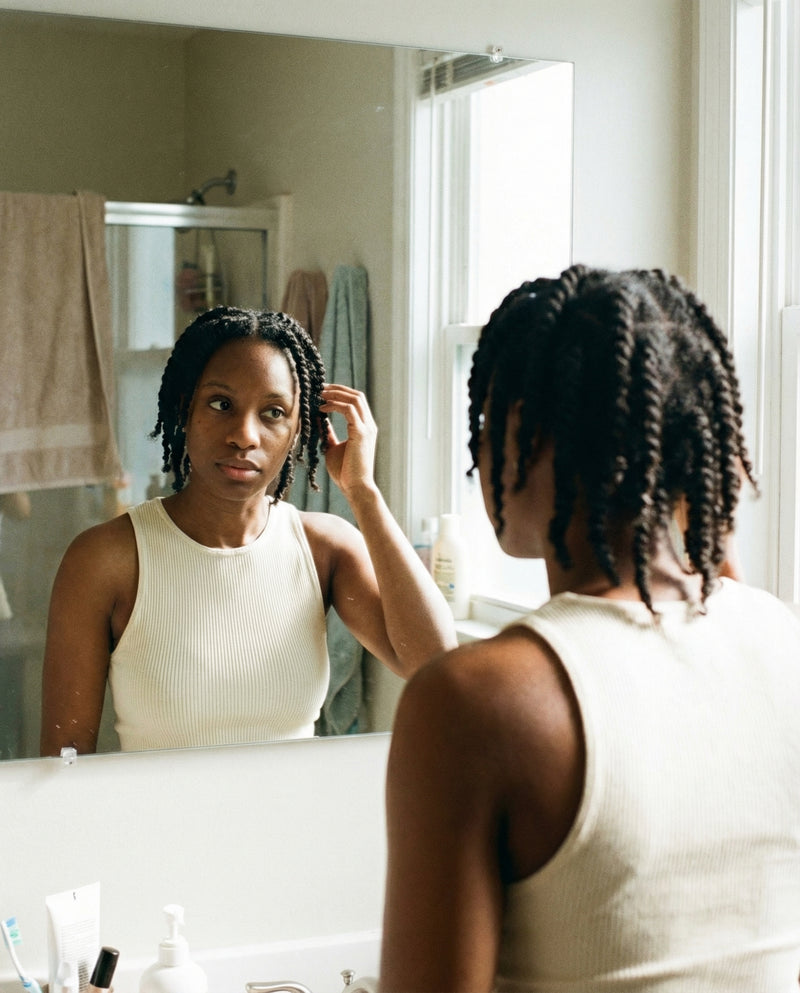
2. I Stopped Treating Hair Loss as a “Hair Problem”
Like most of us, my first instinct was external.
New shampoo.
New oil.
New routine.
But menopause doesn’t start at the scalp.
It starts inside the system.
My digestion had changed.
My sleep had changed.
My stress response had changed.
So why wouldn’t my hair respond too?
When I stopped isolating my hair from the rest of my body, the situation finally made sense.
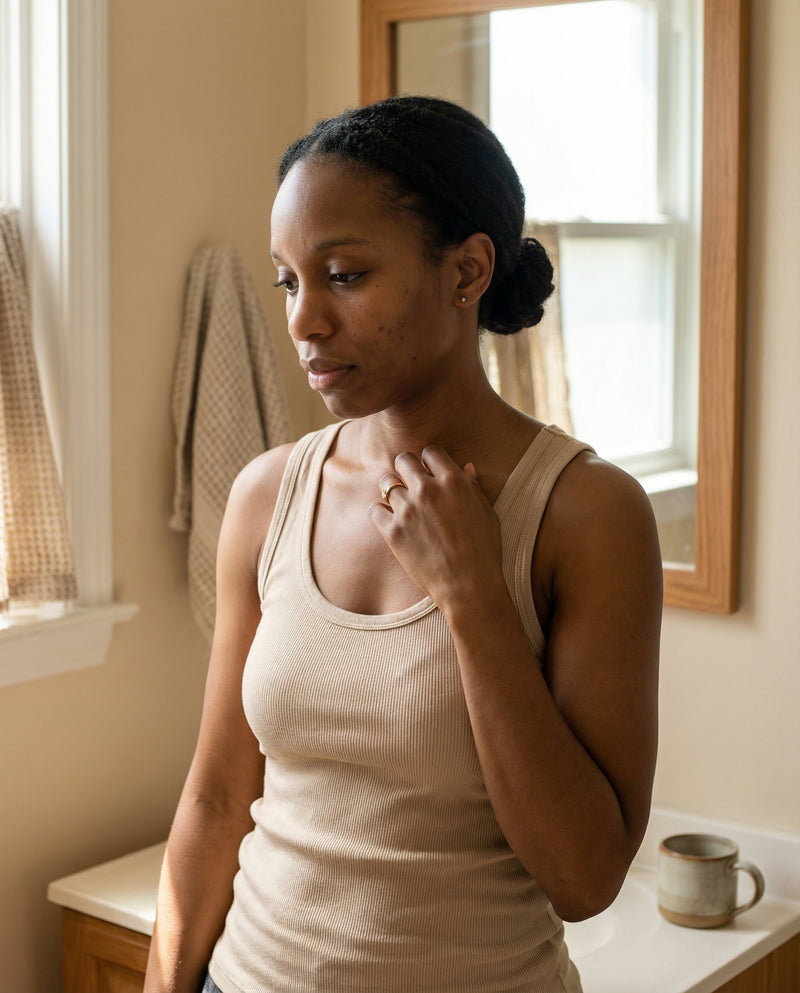
3. Hormonal Shifts Change More Than Hair — They Change Rhythm
This part took time to accept.
Menopause affects:
- How nutrients are absorbed
- How stress is processed
- How recovery happens
Hair is incredibly sensitive to all three.
Which means hair loss during menopause is often delayed feedback.
Not something you caused yesterday —
but something your body is still adapting to.
That realization brought patience back into the picture.
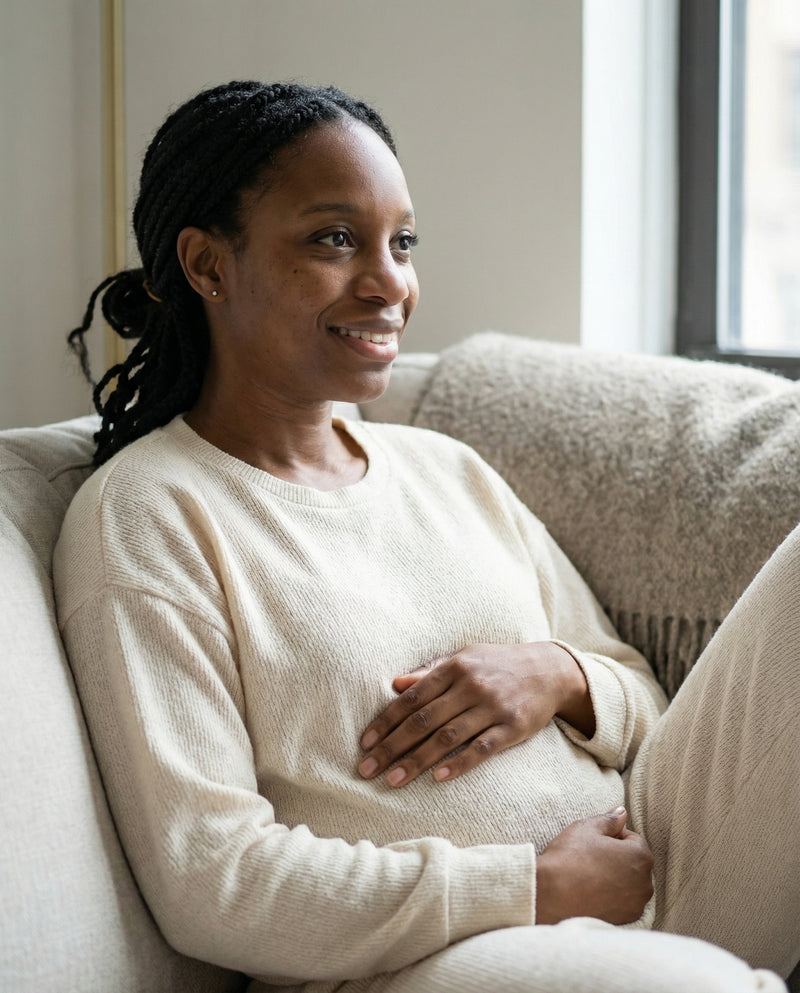
4. Why Stimulation Wasn’t What I Needed
Most hair solutions are built around urgency.
More growth.
Faster results.
Stronger stimulation.
But during menopause, stimulation can feel like pressure.
What my body needed instead was:
- Stability
- Consistency
- Internal support
Not force.
Not panic.
Just steadiness.
That’s when I started paying attention to gut health, absorption, and daily foundations — not as trends, but as support systems.
Because if your body isn’t absorbing well, adding more on top doesn’t help.
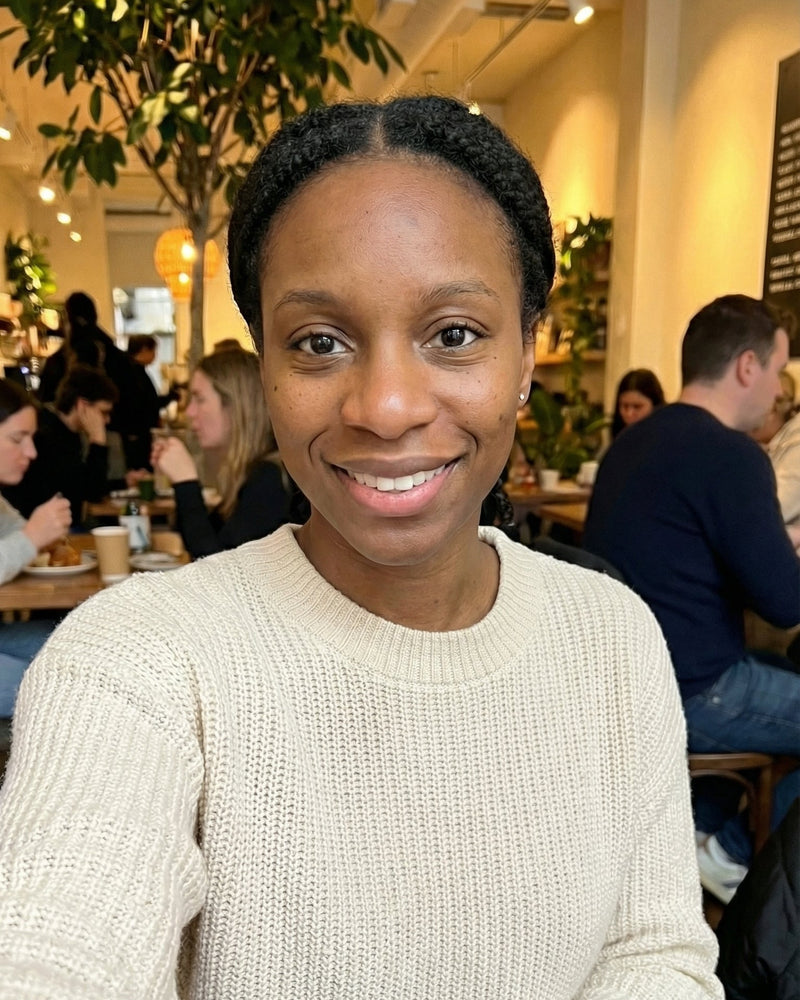
5. What Changed When I Supported My Body First
The first change wasn’t regrowth.
It was calm.
Less dread in the shower.
Less panic at my brush.
Less urgency to “fix” myself.
And then — slowly — signs of recovery started to appear.
Not because I forced them.
But because my body finally felt supported enough to move forward.
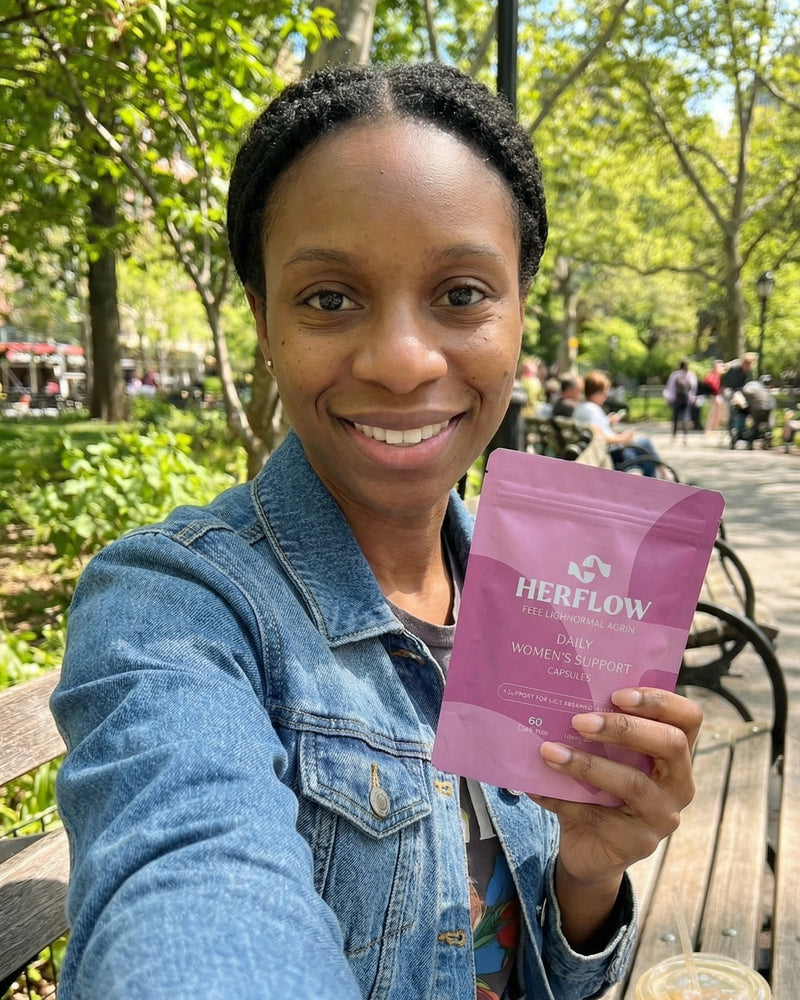
6. Why Herflow Fit This Phase of My Life
I didn’t choose Herflow because it promised transformation.
I chose it because it aligned with how I was learning to treat my body:
With patience, not pressure.
With understanding, not urgency.
It wasn’t framed as a solution to a flaw.
It was framed as support during a transition.
That distinction mattered.
Especially during menopause — when so much already feels unfamiliar.
This Isn’t About Fear. It’s About Awareness.
If you’re on a GLP-1 and noticing changes:
- It doesn’t mean you made the wrong choice.
- It doesn’t mean your body is failing.
- It means your body is responding to change.
And once you understand that, you can support it, instead of fighting it!